
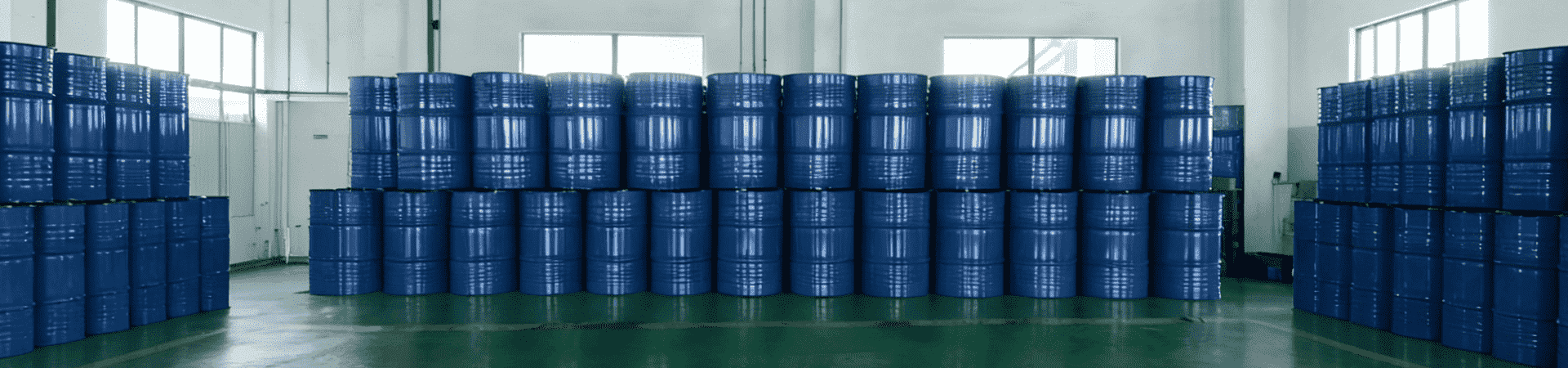
Polyurea and epoxy are two of the most common choices in surface and floor coatings. They are both used on multiple surfaces for multiple types of applications (residential, commercial, and industrial).
Although polyurea and epoxy are very similar once they have been applied, they differ greatly in their performance, installation process, and long-term durability. It is important to understand their pros and cons before making a purchase.
Polyurea is a much newer and advanced way to coat surfaces and floors. It is made from elastomer chemistry, and it is cured through rapid chemical reactions and is renowned for its excellent flexibility and extremely high durability. Because it performs exceptionally well in extreme environments, polyurea is often used in demanding environments.
Due to its very high level of durability, polyurea has a distinct advantage over its competitors. Its high level of flexibility allows polyurea to expand and contract with the concrete to which it is applied without cracking. As a result, it is a good choice for applications that may be subject to extreme temperature variations or heavy loads.
Its fast curing time (often as little as a few minutes or hours) also allows for same-day installation, which results in minimal downtime. Polyurea has outstanding resistance properties, including abrasion, chemical, moisture, and UV, so it will not yellow or degrade over time. Polyurea can also penetrate very deeply into the concrete, providing an excellent mechanical bond for the coating.
Cost is the biggest disadvantage to using polyurea. Both materials and professional installation are typically more expensive than epoxy. Due to the rapid curing time of the polyurea material, the installation process requires the use of special equipment and trained technicians, making it more difficult to implement on your own.
Also, because of the short time for the material to cure, there is very little opportunity for error during the installation, reinforcing the need for the technician’s expertise to provide a high-quality finish.
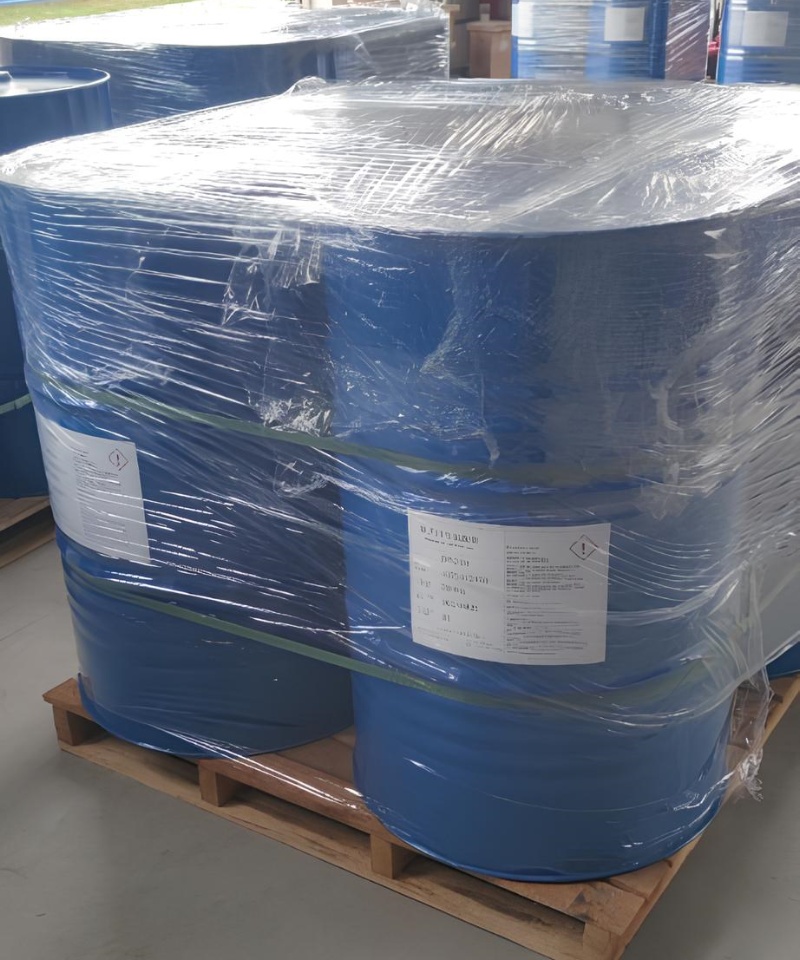
Epoxy refers to the reaction of mixing the epoxy resin together with a hardener to form a thermosetting resin. This is accomplished by chemically combining two materials, which together create a hard and durable surface. Epoxy coatings have been used for decades and have proven to be both strong and glossy over the years.
One of the biggest advantages of epoxy is that the costs associated with both materials and installation are generally less expensive than those of polyurea. Moreover, the ability of epoxy to create excellent adhesion to cement will help develop a strong bond when the surface is prepared appropriately.
Furthermore, epoxy creates a smooth, high-gloss surface and is available in numerous colours, flakes, and decorative effects. It is also extremely resistant to chemicals and oils, making it an excellent choice for garage floors and manufacturing facilities.
As strong as epoxy is, it does have some disadvantages. While epoxy may be strong enough to endure some level of force, it is brittle once it is cured; therefore, if the cement surface is stressed with a large force or shifts due to other factors, the epoxy coating may crack under the stress.
In addition, while installing an epoxy coating, you will need to be aware of temperature and humidity levels. If the environment is too humid or the floor temperature is too cold, there is a greater chance that the installation will produce bubbles, peel, or not cure completely. Another negative aspect is curing; depending on conditions, it may take numerous days for an epoxy system to cure completely before being used.
Determining which material you want to utilize (polyurea or epoxy) will depend on your specific needs. If you are looking for an economical, elegant and suitable solution for areas with low to medium traffic flow, epoxy is a good choice. However, if you require the highest durability, flexibility, quick installation, and long-term performance, especially in harsh or high-traffic environments, polyurea is usually a better investment.
Both materials have their place, and understanding their pros and cons ensures you select the one that delivers the performance, longevity, and value you expect.