
Commercial facilities often struggle with persistent water ingress at structural joints. Traditional bitumen and PVC membranes create seams that inevitably weaken over time. A polyurea roof coating offers a monolithic alternative that eliminates these critical points of failure completely.
Waterproofing large surfaces requires a material that balances flexibility with extreme tensile strength. Polyurea achieves this through a fast-reacting chemical bond between isocyanates and amine-terminated resins. This results in a durable barrier that sets within seconds of application.
Most commercial leaks originate at the seams where membrane sheets overlap. These areas are vulnerable to mechanical stress and environmental degradation. Constant exposure to ultraviolet radiation causes traditional materials to become brittle and lose their elasticity.
When a roof cannot expand and contract with temperature changes, the seams pull apart. This separation allows water to bypass the protective layer and reach the insulation. Once the substrate is saturated, the structural integrity of the entire roof system is compromised.
A polyurea roof coating creates a continuous, high-performance membrane across the entire substrate. Because it is spray-applied, it conforms to complex geometries like vents, drains, and HVAC curbs. This eliminates the need for manual flashing or adhesive-based tapes.
The material remains flexible even in extreme cold, preventing the cracks often seen in asphalt-based coatings. High-tensile strength ensures the coating can withstand minor structural shifts without tearing. It provides a reliable seal that protects the building from varied weather conditions.
Metal roofs are particularly prone to leaking due to significant thermal movement. Fasteners back out over time, and lap joints shift as the metal heats and cools. A polyurea roof coating adheres tightly to the metal, moving in sync with the substrate.
Concrete roofs face similar challenges with hairline cracks that expand during freeze-thaw cycles. The elastomeric properties of polyurea allow it to bridge these gaps effectively. It maintains a watertight seal even as the concrete underneath continues to age and shift.
While the upfront cost of a high-quality polyurea system is significant, the lifecycle value is superior. It often eliminates the need for a full tear-off of the existing roof. This reduction in waste disposal and labor costs provides immediate financial benefits.
Reducing downtime is another critical factor for industrial and commercial operations. Because polyurea cures almost instantly, the roof can be returned to service quickly. Maintenance requirements are minimal, usually consisting only of periodic inspections and debris removal.
Achieving a perfect bond requires meticulous surface preparation and specialized equipment. The substrate must be dry, clean, and free of oils or loose debris. Technicians use high-pressure, heated proportioning units to ensure the two components mix at the correct ratio.
Humidity and temperature levels must be monitored during the application process. Although polyurea is less sensitive to moisture than polyurethane, extreme conditions can still affect adhesion. Proper technique ensures the coating reaches its full physical properties and design life.
Can polyurea be applied over an existing TPO roof? Yes, it can be applied over most existing membranes if they are properly primed. This process creates a new, seamless layer without the environmental impact of a full replacement. It effectively extends the life of the original roof for many years.
How does polyurea handle standing water? Polyurea is highly resistant to ponding water, which is a common cause of failure for acrylic coatings. It does not re-emulsify or soften when submerged for extended periods. This makes it ideal for flat roofs with poor drainage.
What is the expected lifespan of a polyurea roof coating? With professional application and routine maintenance, these systems can last twenty to thirty years. The chemical stability of aliphatic polyurea ensures it maintains its color and physical properties. It resists yellowing and chalking even under intense solar exposure.
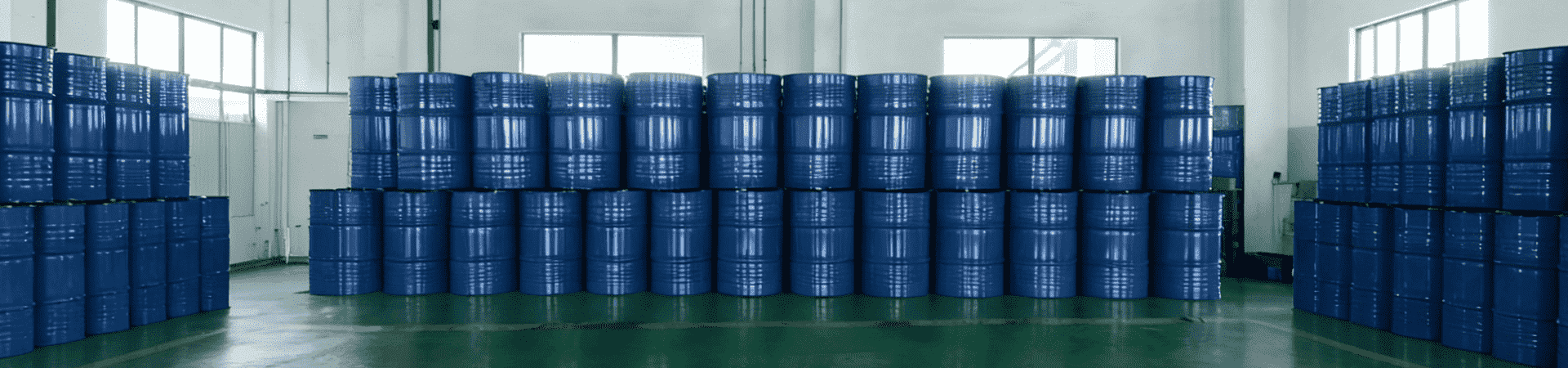
As a primary manufacturer of these raw materials, for us, the focus remains on ensuring chemical stability and reactivity control. We prioritize consistent quality in every batch of isocyanate and resin to support durable applications.
The technical guidance provided in this article is based on general material science and is for reference only. For specific project requirements, please consult a qualified roofing contractor or structural engineer.
The decision to implement a polyurea roof coating represents a strategic move toward long-term facility protection. By addressing the root causes of leakage, building owners can safeguard their assets. This technology provides a robust solution for the most challenging commercial environments.