
Polyurea and polyaspartic are two of the leading protective coatings available today for both concrete and metal surfaces, as well as all types of industrial applications. Both are known for their high durability, fast cure times and high chemical resistance. However, there are some significant differences in their performance. Understanding these differences can help owners, contractors, and facility managers choose the best product for their needs.
From a chemical standpoint, both polyurea and polyaspartic coatings are synthetic elastomers or polymers that have elastic properties that form durable, elastic solid films.
Polyurea is formed through a chemical reaction using an amine chemical component together with an isocyanate chemical component. The resulting polymer has incredible curing speeds, is extremely flexible, and can therefore create a durable coating quickly.
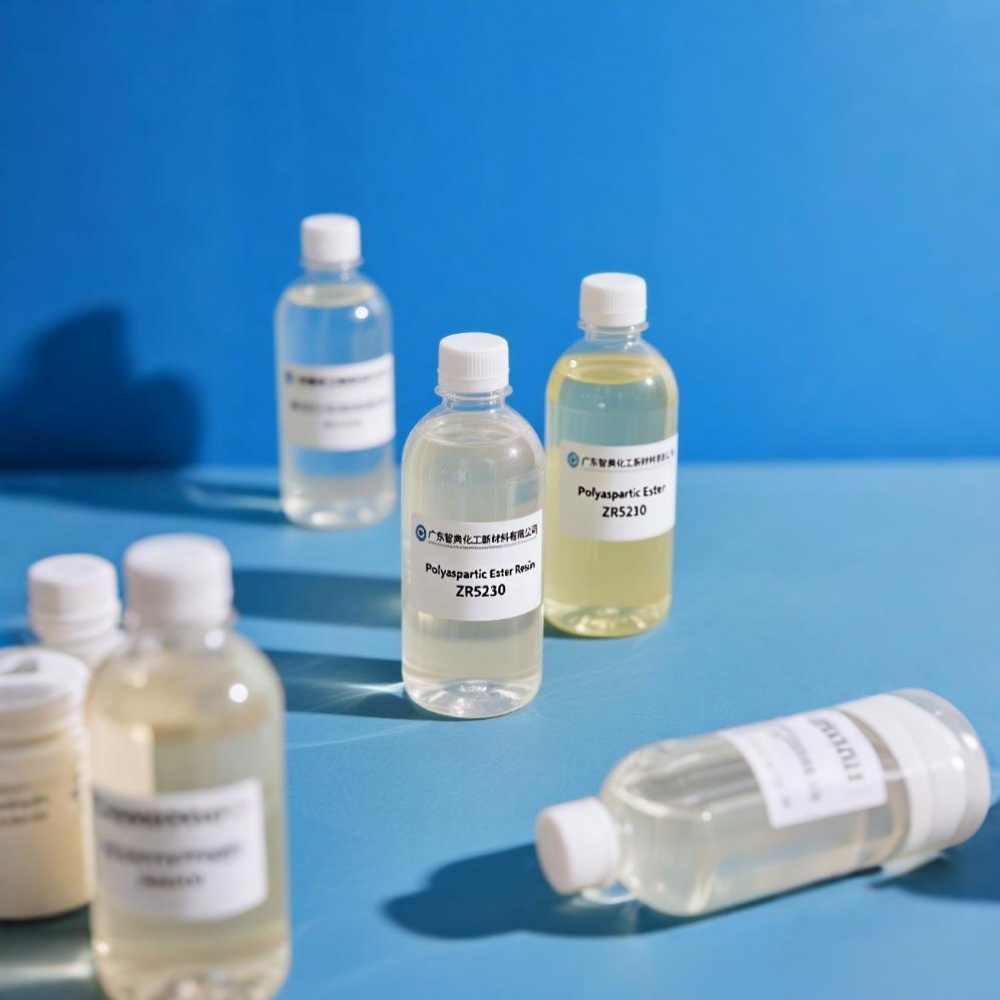
Polyaspartic, technically a subtype of polyurea, is created when the amine component is based on aspartic ester chemistry. This alters the reaction characteristics and end-properties of the coating.
Below are four key areas where polyurea and polyaspartic significantly differ: curing time, durability and flexibility, UV resistance and aesthetic performance, and temperature sensitivity.
Polyurea cures extremely fast, often in only seconds to minutes, which is one of the primary benefits when using it in a high-production environment. Unfortunately, the extremely fast cure times would also leave little to no working time when applying polyurea, meaning only experienced installers can efficiently apply it. Additionally, polyurea also requires specialty spray equipment to achieve desired application results.
Polyaspartic cures slower than pure polyurea, with cure times of 15 – 60 minutes depending on the temperature and specific formulation used. The longer pot life associated with polyaspartic allows for an easier installation and more forgiving application than pure polyurea, especially when dealing with large areas and decorative finishes.
Polyurea has outstanding abrasion resistance, impact strength, and flexibility, even at low temperatures. It is widely used for industrial flooring, secondary containment, and anywhere there is heavy traffic or movement.
Polyaspartic is just as tough as polyurea; however, the flexibility of polyaspartic is not as great as that of pure polyurea. For most commercial and residential applications, such as garage, showroom, and warehouse floors, the degree of toughness offered by polyaspartic coatings will be more than sufficient.
Polyurea is typically more vulnerable to the harmful effects of UV light exposure unless it has been modified specifically to do so. As a result of extended daylight exposure, natural polyurea can experience yellowing, chalking, or discoloration over time. Although there are UV-stable polyurea formulations available, they usually require the addition of an additional stabilizer or aliphatic chemistry, which increases the cost of the material.
In contrast, polyaspartic has excellent UV resistance, provides excellent clarity, and maintains both color and gloss over an extended period of time; therefore, polyaspartic is preferred for decorative floor coatings or exposed surfaces.
Polyurea provides exceptional performance at very low or extreme temperatures; it can be applied in cold weather and is relatively immune to moisture while being installed. Therefore, polyurea is an excellent choice for outdoor applications, winter construction, or areas where temperature and humidity cannot be effectively controlled.
Polyaspartic also has excellent durability; however, due to the need to control temperature, extreme temperature conditions can negatively affect the viscosity and cure of the polyaspartic product. With proper application, it still performs reliably but generally needs more environmental management than polyurea.
Both polyurea and polyaspartic coatings provide a high level of protection and a fast turnaround time when compared to traditional coatings. Polyurea offers a rapid cure and phenomenal durability, while polyaspartic provides an easier application method, better UV resistance, and a more aesthetically pleasing surface. Ultimately, the choice between polyurea and polyaspartic will depend on the balance between performance expectations and installation practicality and budget.